Italy has a reputation for overwhelming first-time visitors. Between the language barrier, the confusing train schedules, and the sheer volume of world-class sights, it is remarkably easy to fall into the trap of over-scheduling. But rushing through Italy completely defeats the purpose of being there. This is a country built on the philosophy of slowing down, lingering over a glass of wine, and letting the day unfold organically. To genuinely experience Italy, you have to resist the urge to see every single famous city in two weeks. Instead, building a realistic itinerary around a few well-chosen home bases allows you to absorb the culture rather than just passing through it. This comprehensive guide breaks down five essential locations that offer a perfect balance of iconic history and manageable travel. By focusing on these specific spots and adopting a more deliberate pace, you can navigate the beautiful chaos of Italy without feeling lost, exhausted, or stuck in endless tourist traps.
Rome
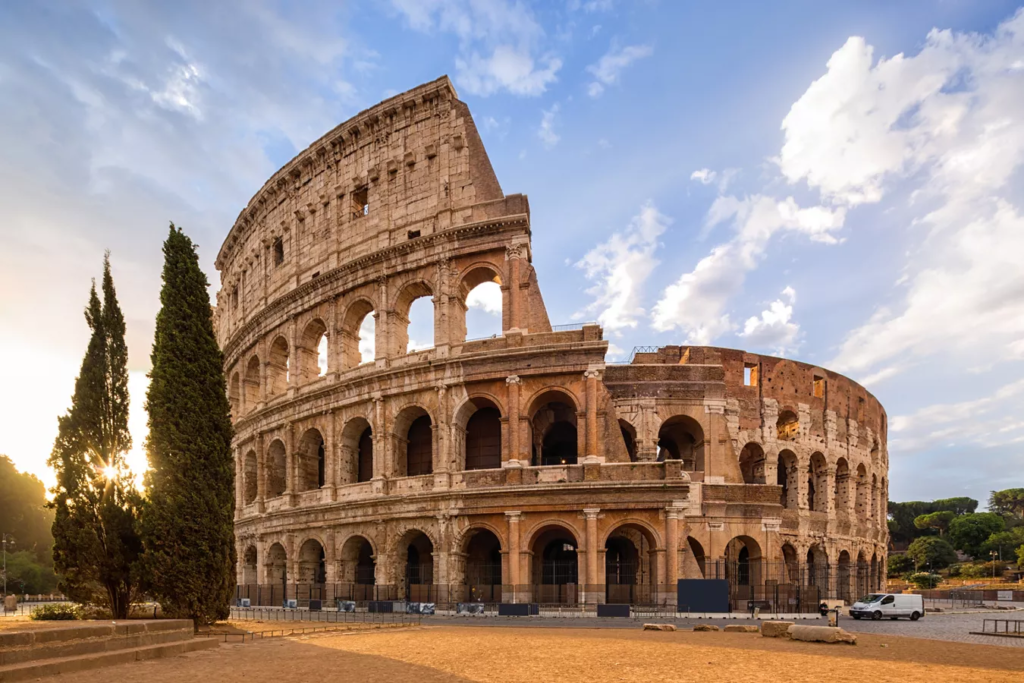
Rome is loud, sprawling, and undeniably magnificent. It is a city where you might literally stumble upon a two-thousand-year-old ruin while walking to get your morning espresso. Because the historical center is so dense, the biggest mistake newcomers make is trying to walk the entire city in a single afternoon. To survive the capital without burning out, strategic planning is your best friend. For instance, group the Colosseum, Palatine Hill, and the Roman Forum together, as they sit side-by-side, but leave the Vatican for a completely separate day. While the massive attractions are a must, the true heartbeat of Rome lives in its working-class neighborhoods. Skip the overpriced restaurants facing the major piazzas and head to areas like Testaccio or Monti for an authentic plate of cacio e pepe. Furthermore, beat the notorious Roman heat and the swarms of tour buses by setting your alarm for dawn. Seeing the Trevi Fountain or the Spanish Steps at six in the morning, bathed in soft light with absolutely no one else around, is an experience that money simply cannot buy.
Florence
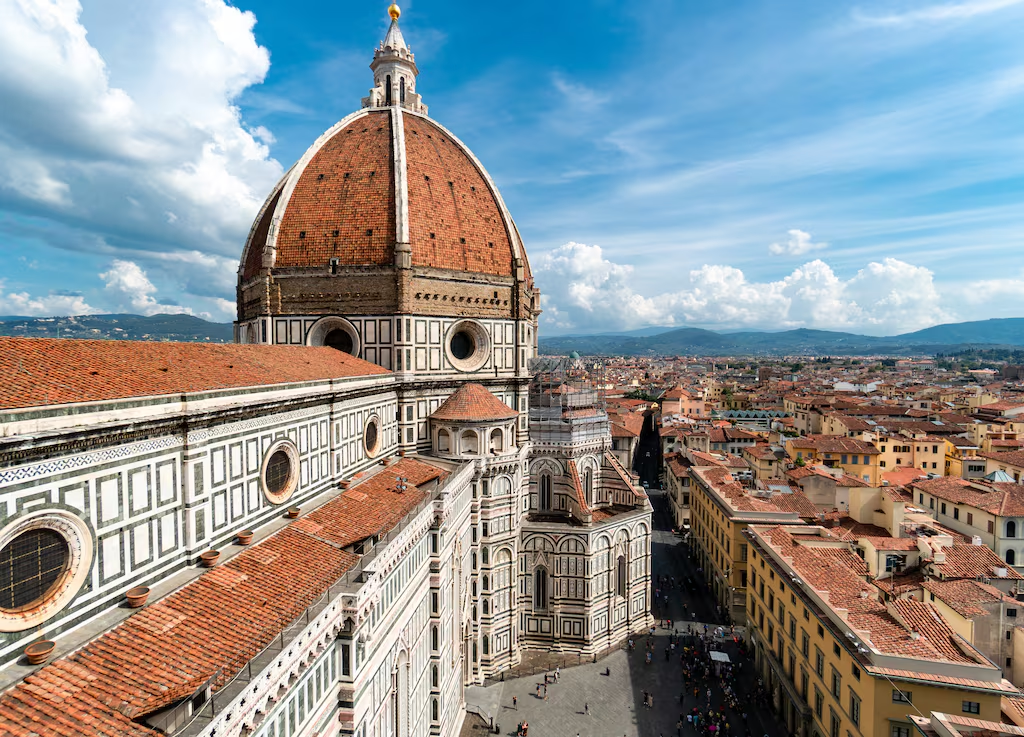
In stark contrast to the massive footprint of Rome, Florence feels like a beautifully preserved medieval village. As the cradle of the Renaissance, this Tuscan capital is highly compact, meaning you will rarely need to rely on public transportation. You can easily walk from the iconic Duomo to the Ponte Vecchio in under fifteen minutes. However, because the historical center is so small, it can feel intensely crowded during peak season. The trick to Florence is securing advance reservations for the heavyweight museums, like the Uffizi Gallery, to bypass the brutal ticket lines, leaving the rest of your day entirely flexible. Once you have seen the David, cross the Arno River into the Oltrarno district. This side of the city is where actual Florentines live, work, and eat. You will find tiny artisan workshops crafting handmade leather goods, quiet cobblestone squares, and intimate wine windows built into the sides of historic palaces. End your day by walking up to Piazzale Michelangelo just before sunset for a sweeping, panoramic view of the terracotta rooftops glowing against the surrounding Tuscan hills.
Venice
There is nowhere else on earth quite like Venice, and that uniqueness requires a complete shift in how you navigate. Without a single car or scooter in sight, your only modes of transportation are your feet or the floating vaporetto water buses. For a first-timer, the labyrinth of bridges and dead-end alleys can trigger a bit of panic, but getting hopelessly lost is actually the best way to uncover the city’s magic. While St. Mark’s Square is breathtaking, it is also ground zero for massive cruise ship crowds. To find the real, breathing Venice, head to quieter, residential neighborhoods like Cannaregio or Dorsoduro. Here, you will find locals hanging laundry across narrow canals and tiny bacari bars serving cheap glasses of prosecco alongside delicious bite-sized snacks called cicchetti. Because the city swells with day-trippers from late morning until late afternoon, the golden rule of Venice is to explore early and stay out late. When the fog rolls in off the lagoon at night and the alleyways empty out, the city transforms into something incredibly peaceful and profoundly romantic.
Amalfi Coast
The Amalfi Coast is the postcard-perfect vision of Italian summer, featuring dramatic cliffs plunging into the Mediterranean and pastel-colored villages clinging to the rock face. However, the logistical reality of getting around this stunning coastline can be a nightmare for the unprepared. The famous coastal road is essentially a single, terrifyingly narrow lane shared by massive buses, speeding scooters, and nervous tourists. Do not rent a car here unless you have nerves of steel. Instead, pick a strategic home base like Sorrento, which is highly connected by train to Naples, or the slightly more central town of Amalfi. From there, utilize the network of local ferries to hop between iconic spots like Positano and Ravello. The ferries are inexpensive, save you from hours of gridlocked traffic, and offer the absolute best vantage points for photographing the towns from the water. Because moving around takes time, lower your expectations of how much ground you can cover. Pick one activity a day, whether that is renting a sunbed at a beach club or hiking the Path of the Gods, and spend the rest of the time relaxing.
Milan
Milan often gets skipped by first-time visitors searching for ancient history, but it serves as an incredibly practical and rewarding anchor for your Italian journey. As the country’s economic and fashion powerhouse, it operates with a fast-paced, highly efficient modern energy that feels distinctly European. It is the perfect place to fly into or out of, thanks to its massive international airports and the spectacular Milano Centrale railway station, which connects you to high-speed trains heading anywhere in the country. While you are here, the breathtaking Gothic architecture of the Duomo demands a visit, particularly the rooftop terraces where you can walk among the intricate marble spires with views stretching out to the Alps. After soaking in the high-end luxury of the Galleria Vittorio Emanuele II, spend your evening in the vibrant Navigli district. This area is famous for its network of navigable canals lined with lively bars and restaurants, making it the absolute best neighborhood in the city to experience the quintessential Milanese tradition of aperitivo hour before dinner.
Final Thoughts
The most valuable piece of advice for visiting Italy is to embrace the art of lingering. The magic of this country rarely happens when you are sprinting between museums with a checklist in hand. It happens when you are sitting at a sidewalk café, listening to the church bells ring, and watching the locals interact. Rely on the incredibly efficient Frecciarossa high-speed trains to cover the long distances between major hubs, and pack extremely light, as dragging heavy suitcases over ancient cobblestone bridges will quickly drain your energy. Do not let the fear of missing out dictate your schedule. If you find a neighborhood you love, cancel your afternoon plans and just stay there. By choosing quality over quantity, minimizing your transit days, and allowing plenty of room for spontaneous discoveries, your first trip to Italy will not just be a sightseeing tour, but a deeply enriching, stress-free adventure.
Leave a Reply