Planning your first Vietnam trip? This complete guide gives you everything you need to plan a smooth, affordable adventure. You will learn how to reach Vietnam, the best time to go, a ready-to-use itinerary, top places to visit (including hidden gems most tourists miss), a full budget breakdown, practical tips, and mistakes to avoid. Whether you want beaches, mountains, cities, or culture, this Vietnam travel guide keeps things simple and practical so you can focus on enjoying the journey.

Overview of the Destination
Vietnam stretches over 1,000 miles from north to south, offering mountains, rice terraces, ancient towns, busy cities, and stunning coastlines. It blends French colonial history, war remnants, and vibrant local life. Hanoi in the north feels traditional with lakes and street food. Central Vietnam has charming towns and beaches. The south delivers tropical energy in Ho Chi Minh City and the Mekong Delta.
The country welcomes millions of travelers each year because it is safe, affordable, and easy to explore. You can mix popular sights with hidden gems like misty valleys or quiet caves. A Vietnam trip works for solo travelers, couples, or families. With good planning, you enjoy authentic experiences without spending a fortune.

How to Reach Vietnam
Most travelers arrive by international flight. Main airports are Noi Bai in Hanoi (HAN), Tan Son Nhat in Ho Chi Minh City (SGN), and Da Nang (DAD). Direct flights from India (Delhi, Mumbai, Bengaluru) take 4–6 hours. Round-trip economy fares usually cost $200–400 USD (₹16,000–33,000) if booked 2–3 months ahead. Airlines like VietJet Air, Air India, and Vietnam Airlines offer good deals.
From Europe or other parts of Asia, expect 10–16 hours with one stop. Land borders with Cambodia, Laos, or China let you enter by bus or train, but flights remain the easiest and fastest option for first-timers.
Visa tip: Almost everyone needs an e-Visa. Apply online at the official site (evisa.gov.vn). It costs $25 USD for single entry or $50 for multiple entries and lasts up to 90 days. Print or save the approval letter. Your passport must stay valid for at least 6 months.
Best Time to Visit
Vietnam has different weather in each region, so timing matters. The best overall period is November to April. These months bring dry, pleasant weather across most of the country. February and March work especially well for a full north-to-south trip because crowds are smaller and prices dip.
- North (Hanoi, Halong Bay, Sapa): November to April – cool and dry. Avoid May–October rains.
- Central (Hoi An, Da Nang): January to August – hot and dry. September–November can bring heavy rain.
- South (Ho Chi Minh City, Mekong): December to April – warm and sunny. May–October is wetter but still manageable.
Shoulder months (April, May, October, November) offer lower prices and fewer crowds. Avoid major holidays like Tet (January/February) unless you enjoy festivals and higher rates.
Sample 10–14 Day Vietnam Itinerary
Here is a practical north-to-south route that balances cities, nature, and relaxation. Adjust based on your pace.
Days 1–4: Hanoi + nearby Arrive in Hanoi. Explore Old Quarter, Hoan Kiem Lake, and street food. Take a day trip to Ninh Binh (2 hours by bus) for boat rides through rice fields and caves. Or join a 2-day Halong Bay cruise.
Days 5–8: Central Vietnam (Hoi An area) Fly or take an overnight train to Da Nang (1 hour flight or 16-hour train). Base yourself in Hoi An. Wander the lantern-lit ancient town, cycle through rice paddies, and relax on An Bang Beach. Add a half-day in Hue for imperial history if time allows.
Days 9–12: Ho Chi Minh City + Mekong Delta Fly south (1 hour). Explore Ho Chi Minh City’s markets and war museum. Take a day trip to the Mekong Delta for floating markets and village life.
Days 13–14: Free time or hidden gem extension Add Sapa in the north (extra 2 days from Hanoi) for rice terraces, or extend to Phong Nha caves in the center. Fly home from Ho Chi Minh City.
This itinerary covers 1,500+ km efficiently using cheap domestic flights ($30–60) or sleeper buses/trains ($10–25). Total internal travel cost stays under $150.
Top Places to Visit in Vietnam
Focus on these highlights. Each offers something unique and fits easily into the itinerary.
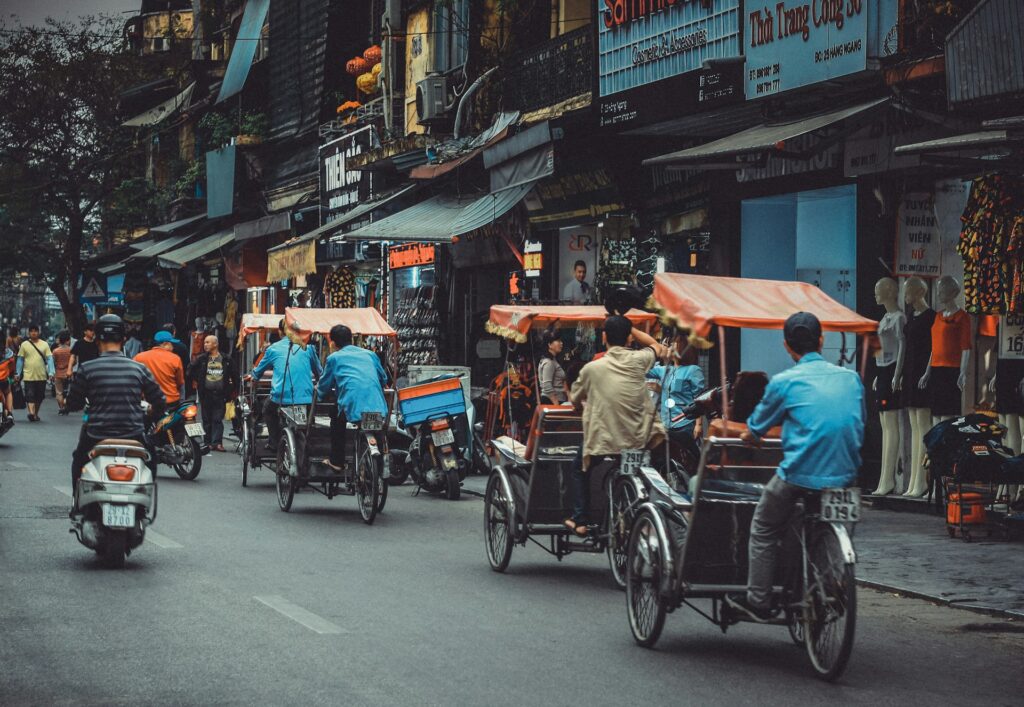
- Hanoi: Bustling capital with French architecture, temples, and the best pho. Walk the Old Quarter and catch a water puppet show.
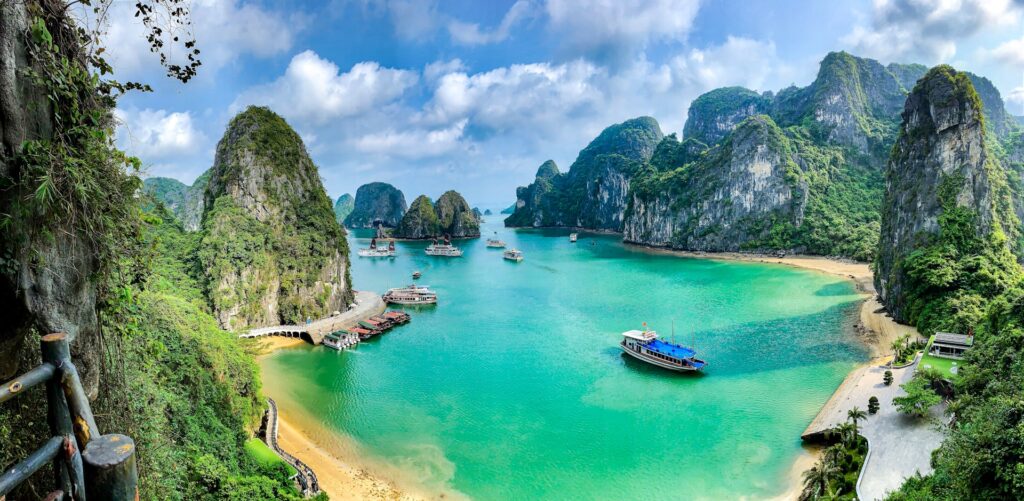
- Halong Bay: UNESCO site with thousands of limestone islands. A overnight cruise is the classic experience.
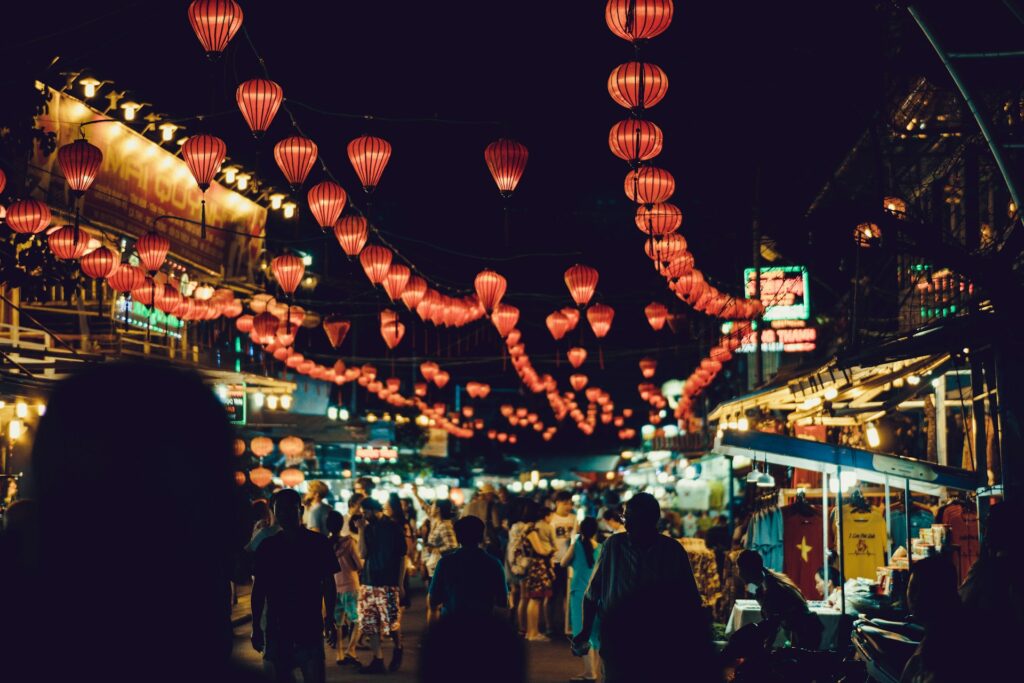
- Hoi An: Ancient trading port with yellow buildings and nightly lanterns. Rent a bike and explore countryside.
- Ho Chi Minh City: Modern energy, street food, and history. Visit the Cu Chi Tunnels on a day trip.
- Mekong Delta: “Rice bowl” of Vietnam. Boat through canals and visit floating markets.
Hidden gems most travelers miss
- Ninh Binh (near Hanoi): Called “Halong Bay on land.” Row through emerald rice fields and climb to cave viewpoints – quieter and cheaper than Halong.
- Sapa: Misty mountains and terraced rice fields. Trek with local Hmong guides for authentic village stays.
- Phong Nha-Ke Bang National Park: World’s largest caves. Explore Hang Son Doong (if budget allows) or easier caves by boat.
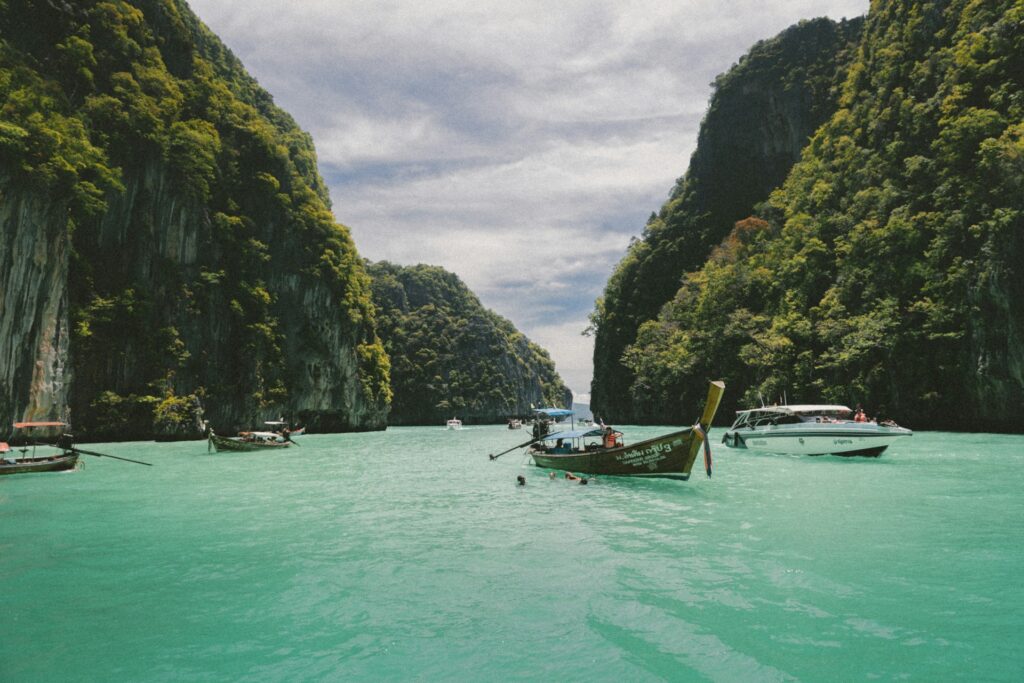
- Bai Tu Long Bay or Con Dao Islands: Less crowded alternatives to Halong and Phu Quoc for pristine beaches and nature.
Mix 2–3 popular spots with one hidden gem for a perfect Vietnam trip balance.
Detailed Budget Breakdown
Vietnam ranks among Asia’s most affordable destinations. A comfortable backpacker budget is $35–55 USD per day (₹2,900–4,600). Here is a realistic 14-day on-ground breakdown for one person (excluding international flights):
- Accommodation: $8–15 per night (hostels $6–10, guesthouses $12–20). Total: $120–200.
- Food: $8–12 per day (street pho $2–3, café meals $4–6, occasional restaurant $8). Total: $110–170.
- Local transport: $4–8 per day (Grab rides $1–3, buses $5–10, one domestic flight $40). Total: $60–110.
- Activities & entry fees: $10–20 per day (Halong cruise $80–120 once, temple entries $2–5, tours $15–30). Total: $150–250.
- Visa, SIM card, misc.: $40–60 one-time.
Grand total for 14 days: $480–790 USD. Add international flights ($200–400) and you can enjoy a full Vietnam trip for $700–1,200. Luxury travelers spend $80–120 daily; strict budget travelers manage on $25–35. Prices are 2026 estimates – book early for flights and check current rates.
Practical Travel Tips
- Download Grab (taxi/motorbike app) and Google Translate. Cash (VND) works everywhere – ATMs are common but carry small notes.
- Buy a local SIM at the airport for cheap data ($5–10 for 10–30 days).
- Drink bottled or filtered water. Eat at busy street stalls for safety.
- Respect local customs: remove shoes before entering homes or temples, dress modestly at religious sites, and use both hands when giving/receiving items.
- Travel light. Pack quick-dry clothes, rain jacket, and comfortable walking shoes.
- Book trains and popular tours (Halong, Mekong) 1–2 weeks ahead via 12Go.asia or hotel help.
Common Mistakes to Avoid
- Trying to see the entire country in one trip. Stick to 2–3 regions to avoid exhaustion.
- Ignoring regional weather. Check forecasts for each area before booking.
- Taking airport taxis without meter or Grab – overpaying is common.
- Skipping street food out of fear. Choose busy, clean stalls and you will miss the best meals.
- Not bargaining in markets or with cyclo drivers. Start at half the quoted price.
- Overpacking your schedule. Leave time to relax and soak in the atmosphere.
Conclusion
A Vietnam trip delivers incredible value, variety, and memories that last a lifetime. With this guide you now have a clear budget plan, a workable itinerary, and insider tips to avoid common pitfalls. Start with the e-visa, book your flight, and pick 2–3 regions that excite you most. Whether you chase lanterns in Hoi An, cruise Halong Bay, or trek Sapa’s hidden terraces, Vietnam rewards every traveler who arrives with an open mind.
Pack light, stay flexible, and enjoy the ride. Your perfect Vietnam adventure starts with one simple step – booking that ticket. Safe travels!
Leave a Reply