Planning your first South Korea trip? This complete guide walks you through everything you need for a smooth, enjoyable, and affordable adventure. You will learn how to reach South Korea, the best time to visit, a practical itinerary, must-visit places (plus hidden gems), a detailed budget breakdown, practical tips, and common mistakes to avoid. Whether you love city energy, history, food, or nature, this South Korea travel guide helps beginners plan a memorable trip step-by-step without confusion or overspending.
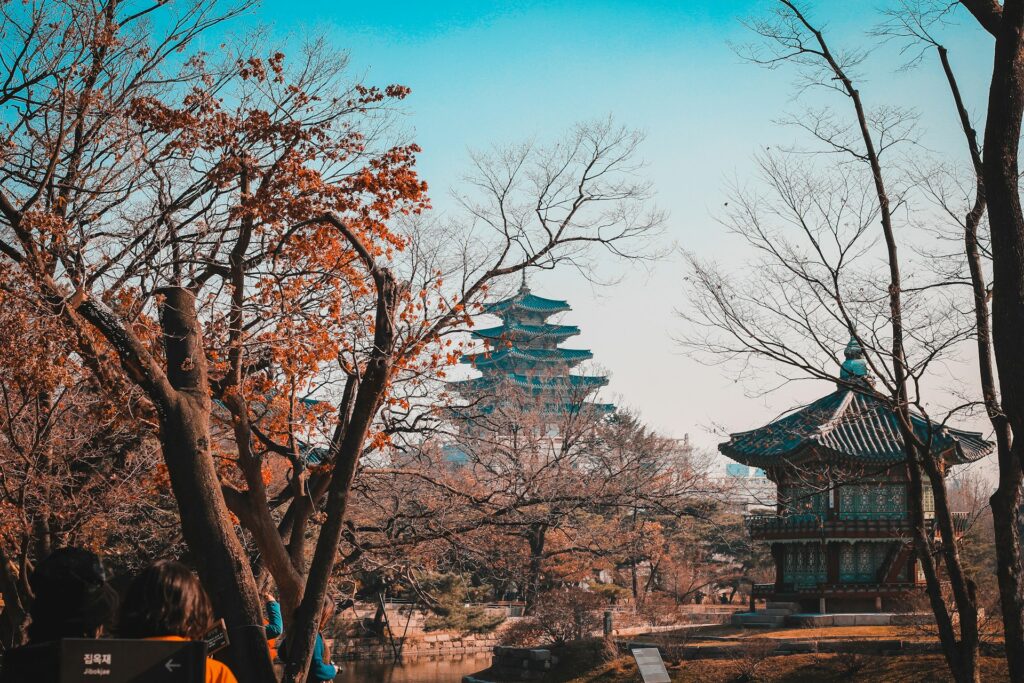
Overview of the Destination
South Korea mixes ancient traditions with modern technology in a compact, easy-to-explore country. From buzzing Seoul streets to peaceful temples, high-speed trains, and stunning islands, it offers something for every traveler. You can visit royal palaces in the morning, eat street food at night markets, and relax on beaches the next day.
The country is clean, safe, and traveler-friendly with excellent public transport. English signs help in tourist areas, and people are helpful. A South Korea trip works well for solo travelers, couples, families, or food lovers. With smart planning, you enjoy K-culture, history, nature, and delicious food without breaking the bank.
How to Reach South Korea
Most travelers fly into Incheon International Airport (ICN) near Seoul. Direct flights from major Indian cities (Delhi, Mumbai, Bengaluru) take 7–9 hours. Round-trip economy fares usually cost ₹35,000–65,000 if booked 2–3 months in advance. Airlines like Air India, Korean Air, and others offer convenient options. Connecting flights via Singapore, Bangkok, or Dubai can be cheaper.
Visa for Indian citizens: You need a C-3-9 Tourist Visa. Apply through authorized centers like BLS or VFS. Prepare passport, photos, itinerary, bank statements, and employment proof. Processing takes 5–10 working days. Check current rules on the official Korean visa site as requirements can change. K-ETA is not available for most Indian passport holders.
Domestic travel is easy with KTX high-speed trains, buses, or low-cost flights. T-money card or Kakao T app works great for local transport.
Best Time to Visit
The best time for a South Korea trip is spring (March–May) or autumn (September–November). Weather stays mild, perfect for walking and outdoor sights. Cherry blossoms bloom in late March–early April. Autumn brings colorful leaves in October–November.
- Spring: Beautiful flowers but crowded and pricier.
- Autumn: Clear skies, fewer crowds, comfortable temperatures.
- Summer (June–August): Hot, humid, with rainy season in July.
- Winter (December–February): Cold and snowy, great for skiing or cheaper travel.
Shoulder months like May or October balance good weather, lower crowds, and better prices. Avoid Lunar New Year and Chuseok for fewer crowds and lower rates.
Sample 10–14 Day South Korea Itinerary
Here is a practical route focusing on highlights without rushing.
Days 1–5: Seoul Base in Seoul. Visit Gyeongbokgung Palace, Bukchon Hanok Village, Myeongdong for shopping and food, and N Seoul Tower. Take a DMZ day trip if interested in history. Explore Hongdae or Itaewon for nightlife and street food.
Days 6–8: Busan or Gyeongju Take KTX train to Busan (2.5 hours). Enjoy beaches, Haeundae, and Gamcheon Culture Village. Or visit Gyeongju for ancient temples and history (1 hour from Busan).
Days 9–12: Jeju Island Fly to Jeju (1 hour, cheap flights). Explore beaches, waterfalls, Hallasan Mountain, and unique volcanic landscapes. Relax or hike depending on your energy.
Days 13–14: Return to Seoul or free time Fly back to Seoul for last-minute shopping or a hidden gem day trip.
This itinerary covers cities, coast, and nature efficiently. Use KTX for comfort or buses for savings. Domestic flights to Jeju cost $30–70
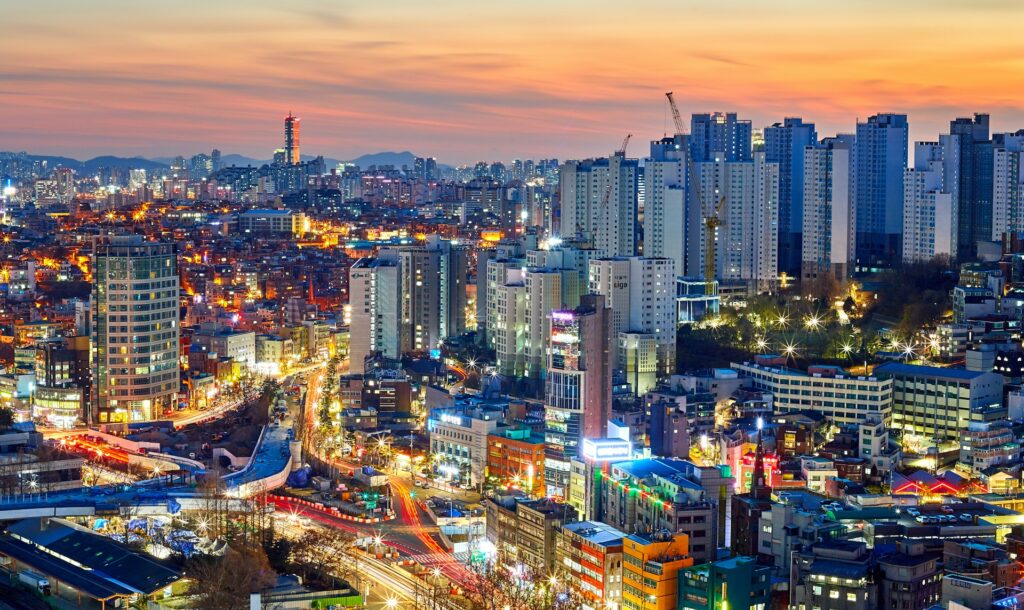
Top Places to Visit in South Korea
- Seoul: Dynamic capital with palaces, skyscrapers, and markets. Must-see: Gyeongbokgung Palace (changing of guard), Insadong for culture, and Namdaemun Market.
- Busan: Relaxed coastal city. Visit Haeundae Beach, Jagalchi Fish Market, and Haedong Yonggungsa Temple by the sea.
- Jeju Island: Natural paradise with beaches, lava tubes, and hiking. Perfect for 2–4 days.
- Gyeongju: UNESCO-listed “museum without walls” with ancient tombs and temples.
Hidden gems most travelers miss
- Gamcheon Culture Village (Busan): Colorful hillside village with street art.
- Jeonju Hanok Village: Traditional houses, great food, and slower pace.
- Nami Island: Scenic island famous for trees and K-drama locations.
- Andong or Damyang: For authentic rural Korea, masks, or bamboo forests.
Mix 2–3 big destinations with one hidden spot for balance.
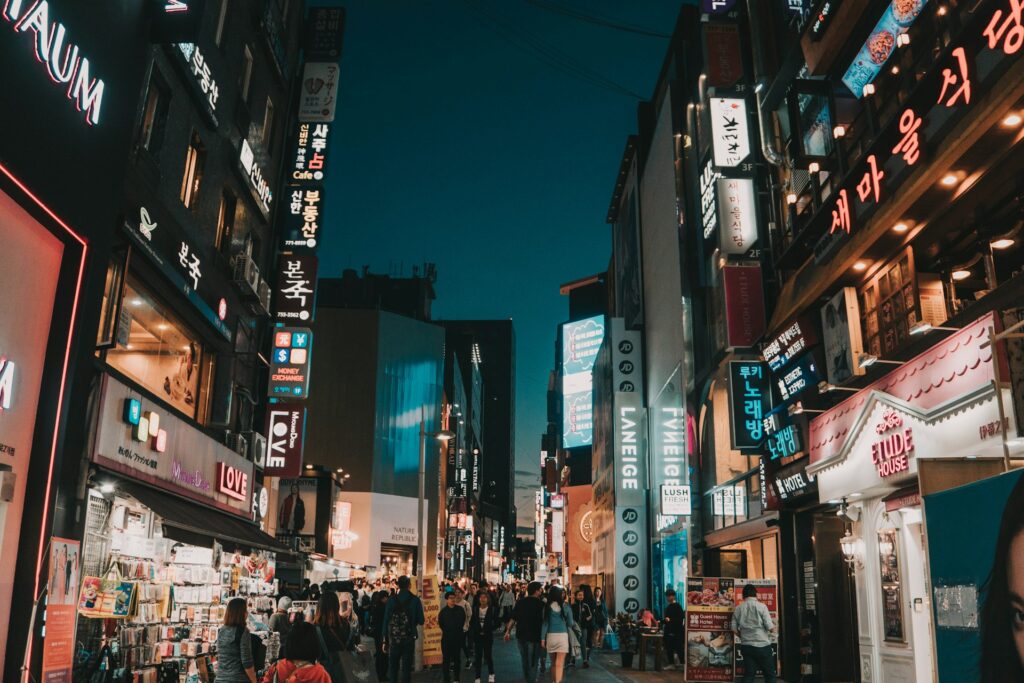
Detailed Budget Breakdown
South Korea offers good value. A comfortable budget traveler spends $50–80 USD per day (₹4,200–6,700). Mid-range travelers spend $100–150 per day. Here is a realistic 12-day on-ground estimate for one person (excluding international flights, 2026 prices):
- Accommodation: $25–60 per night (hostels $15–30, guesthouses/hotels $40–80). Total: $300–700.
- Food: $15–30 per day (street food $5–8, restaurant meals $10–20). Korean BBQ or bibimbap is affordable. Total: $180–350.
- Local transport: $8–15 per day (T-money card, subway, one KTX $25–50). Total: $100–180.
- Activities & entry: $10–25 per day (palace tickets $3–8, Jeju tours $30–60). Total: $120–300.
- Visa, SIM/WiFi, misc.: $50–80.
Grand total for 12 days: $750–1,600 USD. Add international flights (₹35,000–65,000) for an all-in cost of $1,200–2,200. Budget travelers can do it under $1,000 on-ground with hostels and street food. Book trains early for savings.
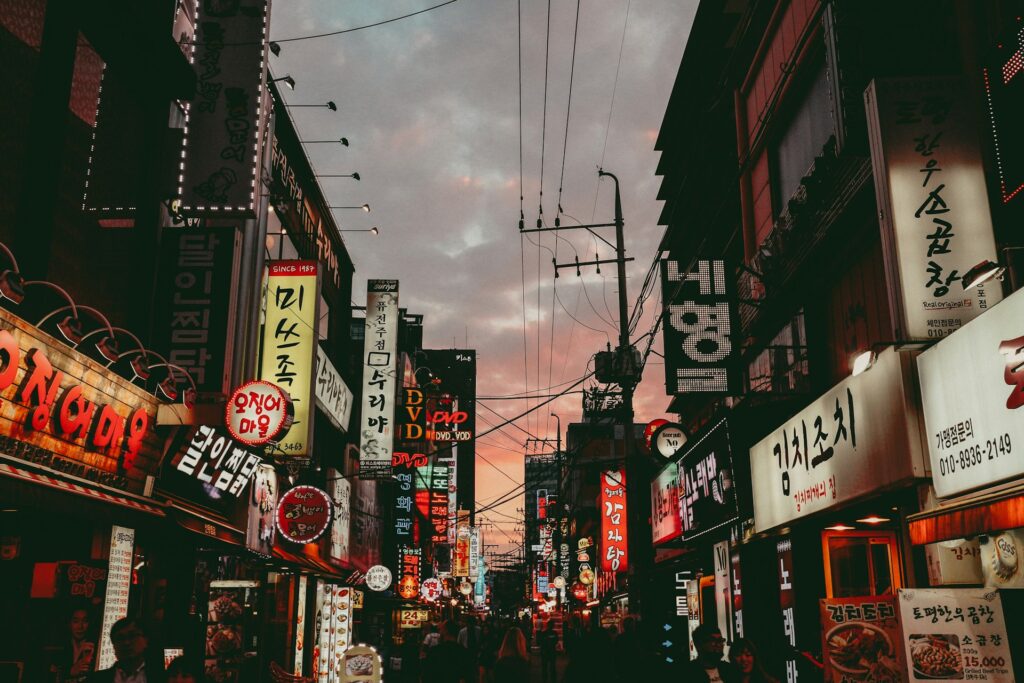
Practical Travel Tips
- Get a T-money card at the airport for easy subway and bus rides.
- Download Naver Map or Kakao Map (better than Google Maps in Korea).
- Buy a local eSIM or pocket WiFi for navigation.
- Learn basic Korean phrases or use Papago Translate app.
- Eat at local restaurants and markets for authentic, cheap meals.
- Respect etiquette: remove shoes indoors, bow slightly when greeting, and don’t tip.
- Travel light and wear comfortable shoes for walking.
Common Mistakes to Avoid
- Trying to see everything in one short trip. Focus on 2–3 regions.
- Ignoring weather – pack layers for spring/autumn and rain gear.
- Over-relying on Google Maps or English – use local apps.
- Eating only tourist restaurants – venture into local spots.
- Not downloading translation apps or offline maps.
- Booking popular attractions last-minute during peak seasons.
Conclusion
A South Korea trip gives you modern cities, rich history, incredible food, and natural beauty in one convenient package. With this guide, you have a clear itinerary, realistic budget, and tips to travel confidently as a beginner. Start by applying for your visa, book flights during shoulder season, and choose places that match your interests.
South Korea rewards curious travelers who arrive ready to explore, eat well, and respect local culture. Pack light, stay open-minded, and enjoy every moment. Your unforgettable South Korea adventure begins with one decision – book that ticket today!
Safe travels and enjoy your trip!
Leave a Reply