By TravelAxis
Sri Lanka is one of those rare places on earth that feels entirely complete. It packs the diverse landscapes of a massive continent into a single, easily navigable island in the Indian Ocean. Within just a few hours of driving, you can trade the sweltering, palm-fringed beaches of the southern coast for the misty, cool climates of the central tea country. You can literally wake up to the sound of ocean waves and fall asleep to the calls of mountain wildlife. This guide strips away the fluff and covers five of the absolute best places that showcase the real, unfiltered beauty of Sri Lanka. Whether you are hunting for ancient history, world-class wildlife safaris, or just a quiet hammock by the sea, these destinations provide a blueprint for the perfect Sri Lankan itinerary.
Sigiriya Rock Fortress
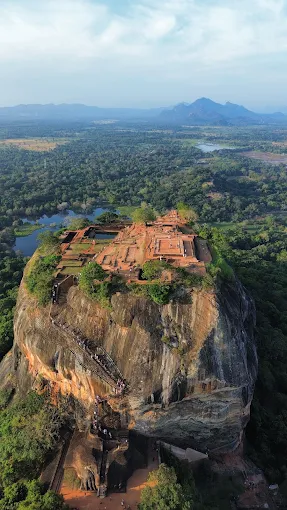
Sigiriya, often referred to as the Eighth Wonder of the World, is arguably the most iconic historical site in Sri Lanka. Rising nearly two hundred meters out of the surrounding central plains, this massive column of rock is topped with the sprawling ruins of an ancient civilization. Built by King Kasyapa in the fifth century, it served as both a royal palace and a heavily fortified stronghold. As you make your way up the roughly twelve hundred steps, you will pass the famous Mirror Wall, once polished so highly the king could see his reflection, and the beautifully preserved frescoes of the Heavenly Maidens painted directly onto the rock face. The climb winds through terraced water gardens at the base, up through the imposing Lion Gate where giant stone paws guard the final ascent, and finally to the flat summit.
The panoramic view from the top of Sigiriya offers a sweeping, uninterrupted landscape of dense emerald forests and neighboring rural villages that makes the intense climb entirely worth the effort. To get the best experience, you should absolutely start your climb right when the gates open at dawn. By mid-morning, the tropical heat becomes oppressive, and the narrow stairways get clogged with massive tour groups, making the ascent much slower and more exhausting. Tickets cost around thirty dollars for foreign tourists, but if you want a cheaper alternative that offers a stunning view of Sigiriya itself, consider climbing the nearby Pidurangala Rock for sunrise. Many travelers choose to do both, tackling Pidurangala for dawn and Sigiriya in the late afternoon. Just remember to wear sturdy, breathable walking shoes with a good grip and carry plenty of water, as there are no vendors once you begin the climb.
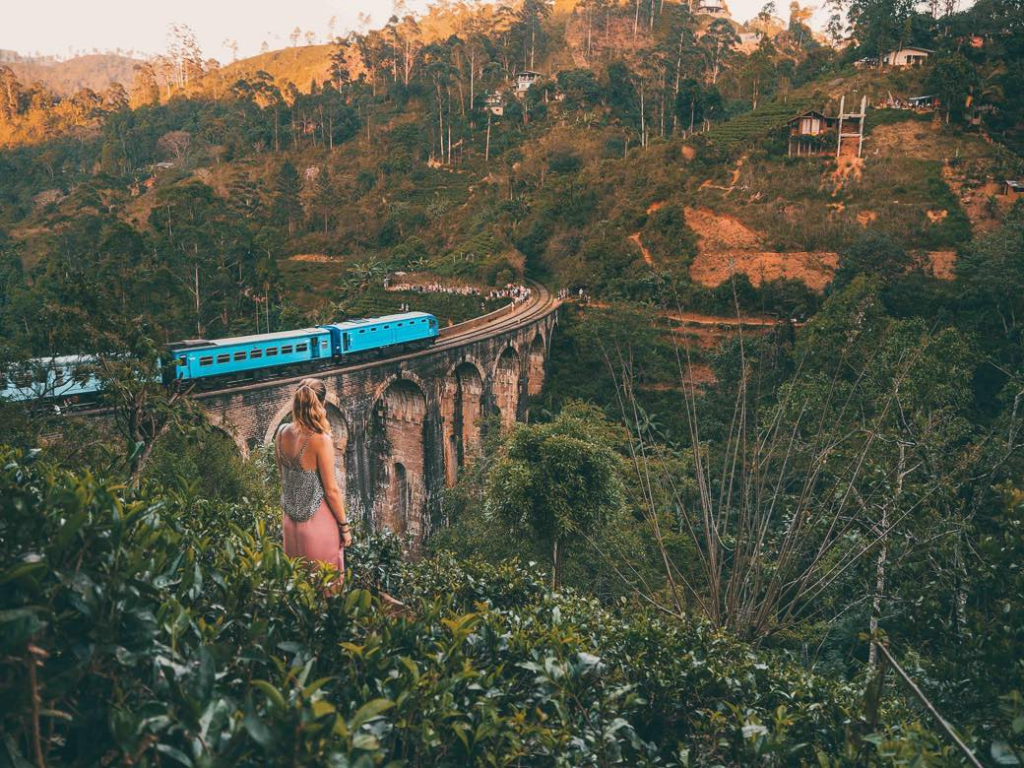
If the heat of the cultural triangle leaves you exhausted, Ella is the perfect place to retreat for a peaceful and scenic break. Tucked away in the central highlands, this small mountain town is famous for its crisp air, rolling green hills, and endless stretches of manicured tea plantations. Ella operates at a much slower pace, making it a haven for hikers, nature lovers, and backpackers looking to unwind from the bustling coastal cities. Getting to Ella is half the experience, as it serves as the final destination of the world-famous Kandy to Ella train journey, widely considered one of the most beautiful train rides on the planet. When booking this train, aim for second or third-class reserved seats so you can open the windows, feel the cool mountain breeze, and safely take those iconic landscape photographs without the glare of sealed, air-conditioned glass.
Once you arrive in Ella, the landscape opens up into a playground of accessible outdoor activities that do not require technical gear or extreme fitness. The Nine Arch Bridge, a stunning piece of British colonial engineering hidden deep in the jungle, is an absolute must-see. The true magic happens when you catch the famous blue passenger train slowly crossing the bridge, so arrive at least forty-five minutes early to secure a good viewing spot on the surrounding tea-covered hillsides. Instead of attempting the grueling, multi-hour climb of the actual Adam’s Peak, you can opt for Little Adam’s Peak right in Ella. It is an easy, well-marked hike from the main road that delivers an incredible panoramic view of the Ella Gap in under an hour. Afterward, you can easily walk back into town to grab a hearty local rice and curry lunch.
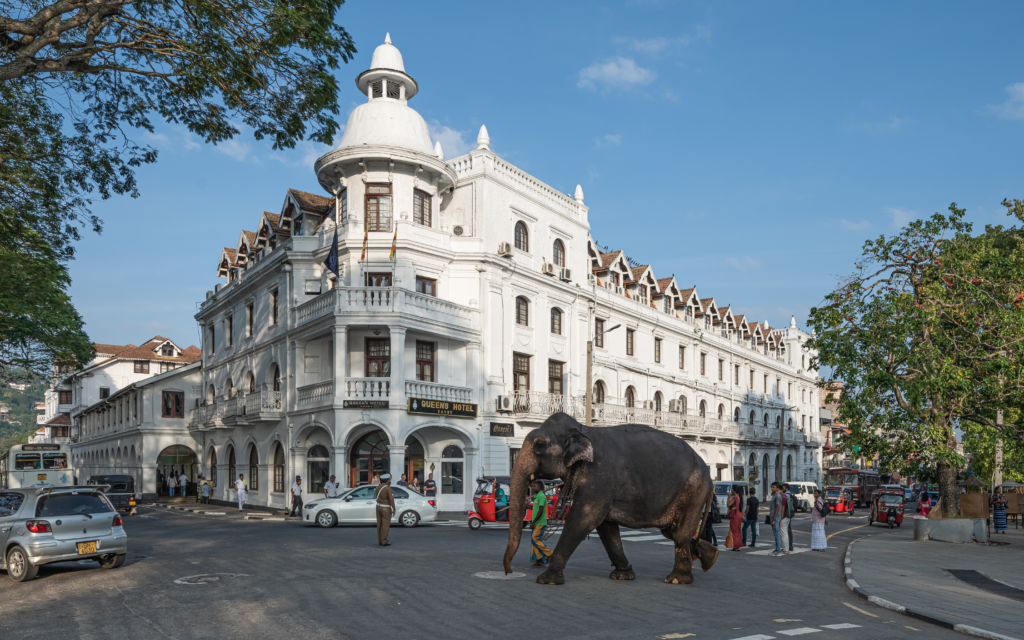
As the last royal capital of the ancient Sri Lankan kings, Kandy serves as the undisputed cultural and historical heart of the island. Surrounded by misty mountains and thick forests, the city is built around the serene Bogambara Lake, offering an atmosphere that feels deeply traditional and spiritual. Kandy is most famous for housing the Temple of the Sacred Tooth Relic, which holds what is believed to be an actual tooth belonging to the Buddha, making it one of the most sacred pilgrimage sites in the entire Buddhist world. The best time to visit the temple is during the evening offering ceremonies. The temple comes alive with the sound of traditional drumming, the heavy smell of incense, and a rush of local devotees, providing a much more atmospheric and meaningful experience than a quiet midday visit. Remember to wear respectful clothing that covers your shoulders and knees.
Beyond the temple, Kandy is an excellent geographical hub that sits perfectly at the crossroads between the commercial capital of Colombo and the mountainous tea regions. This prime location makes it a logical and highly rewarding stopover on almost any travel route through the country. Just a short drive outside the city center lies the Royal Botanical Gardens of Peradeniya, a massive sanctuary of exotic flora once reserved exclusively for Kandyan royalty. Walking through these gardens is a peaceful escape from the busy city streets, featuring a towering avenue of royal palms and a giant Javan fig tree that covers over two thousand square meters like a sprawling, living umbrella. Whether you are strolling around the lake or exploring the ancient royal grounds, Kandy provides a crucial glimpse into the rich heritage that shaped modern Sri Lanka.
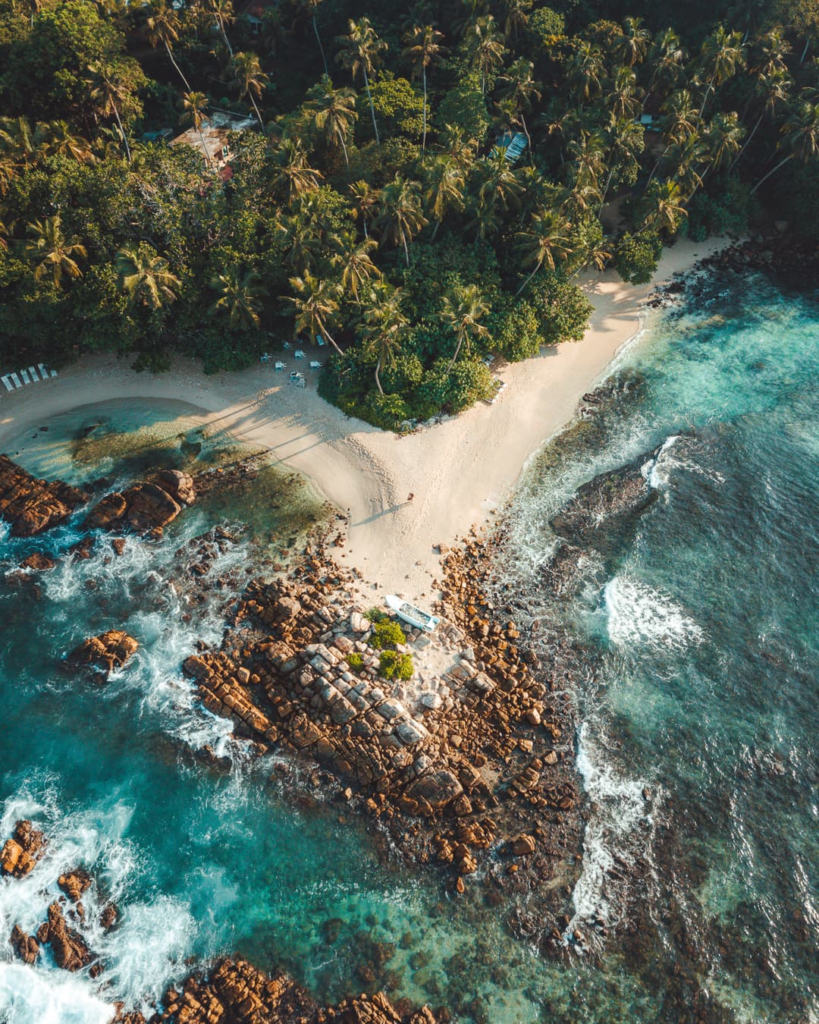
When it is time to trade your hiking boots for flip-flops, head down to the southern coast to visit Mirissa. This town is the quintessential tropical paradise, ideal for beach lovers looking for a mix of vibrant coastal culture and pure relaxation. Unlike the heavily commercialized beaches closer to the capital, Mirissa maintains a laid-back, bohemian charm with its crescent-shaped bay, calm turquoise waters, and clean golden sand. Mirissa is also globally recognized as one of the premier destinations in the world for whale watching, particularly for spotting massive blue whales and sperm whales right off the coast. If you decide to go whale watching, the prime season is between November and April when the waters are calmest. Always research and choose an ethical, eco-friendly operator who respects the animals’ space and does not chase the whales.
Even if you are not interested in early morning marine excursions, Mirissa’s coastal geography offers plenty of hidden coves and dramatic viewpoints to explore at your own pace. You can take a short walk to Coconut Tree Hill just before sunset, which is a striking dome of red earth completely covered in towering palm trees jutting out into the ocean. It offers one of the most photogenic spots on the entire island. Alternatively, you can wade over to Parrot Rock at low tide for a great elevated view of the main bay. By night, the shoreline dots with rustic seafood shacks that light up with fairy lights, allowing you to enjoy fresh catches right on the sand. Mirissa is the ultimate destination to completely slow down, enjoy the ocean breeze, and watch the sunset with a cold drink in hand.
Yala National Park
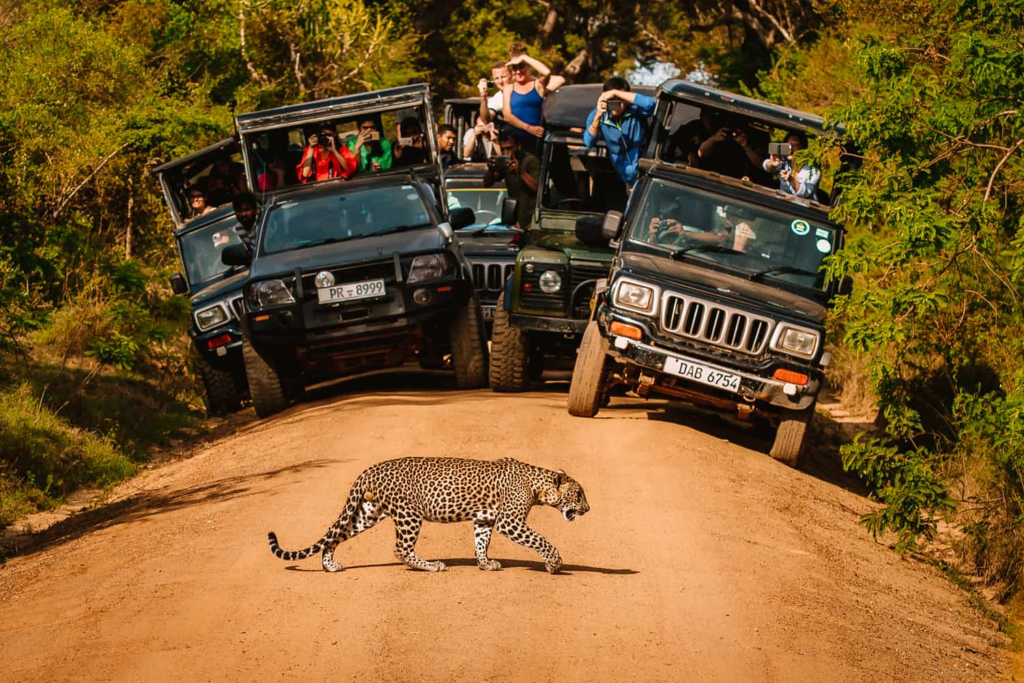
No trip to Sri Lanka is complete without experiencing at least one morning inside Yala National Park. Located in the southeastern corner of the island, Yala is one of the most biodiverse national parks in Asia and holds the distinction of having the highest density of leopards of any protected area in the world. Beyond leopards, the park is home to large herds of wild elephants, sloth bears, mugger crocodiles, water buffalo, and hundreds of bird species, making it an extraordinary destination for wildlife enthusiasts and casual visitors alike. The landscape itself is dramatic — a mix of scrub jungle, open grasslands, rocky outcrops, and a beautiful coastline where the forest meets the Indian Ocean.
Getting to Yala from Mirissa or Ella is straightforward, with the nearest town being Tissamaharama, which serves as the main gateway to the park’s most popular entrance at Block 1. From Tissa, you can easily arrange a jeep safari through your guesthouse or directly with one of the many licensed operators in town. The safari typically lasts around four hours and covers the main tracks through the park’s dense interior. Early morning slots starting just after the 6:00 AM gate opening offer the best chances of spotting leopards out in the open before the heat drives them into the shade of the undergrowth. An afternoon session starting around 3:00 PM is the second-best option, as animals become active again once the temperature drops.
When booking your jeep, opt for a private vehicle rather than joining a shared group. The extra cost — usually around 2,000 to 3,000 Sri Lankan Rupees more — buys you the freedom to stop for as long as you want when the driver spots an animal, rather than being rushed by other passengers on a fixed schedule. Wear neutral, muted colors like khaki, olive, or grey rather than bright clothing, and stay seated and quiet inside the jeep when the driver stops near wildlife. The dust on the dry internal tracks can be intense, so bring a scarf or a light dust mask, especially between January and April. Most importantly, book your safari slot well in advance if you are visiting during peak season between November and April, as morning entry slots fill up quickly and latecomers are often turned away at the gate.
Final Thoughts
To maximize your chances of spotting these incredible animals, you must book your safari well in advance and heavily prioritize the early morning slot, entering the park right as the gates open around dawn. Animals are far more active during the cooler hours, and leopards particularly like to sunbathe on open rocks before the intense midday heat forces them deep into the shaded underbrush. When booking a jeep from the nearby town of Tissamaharama, consider paying a slightly higher premium for a private vehicle so you have the total flexibility to stop and linger for photographs. During the ride, make sure to wear muted, neutral colors like khaki or olive green to blend in, and remain completely quiet when the jeep stops near wildlife. Bringing a dust mask is also highly recommended, as the dry dirt trails kick up heavy dust throughout the journey.
Leave a Reply