Thailand has firmly held its position as the undisputed backpacking and vacation capital of Southeast Asia for decades, and for very good reason. It remains one of the most incredibly popular travel destinations globally because it is remarkably simple to navigate, exceptionally affordable, and packed with an astonishing variety of landscapes. The country has spent years perfecting its tourism infrastructure, meaning you can seamlessly transition from the chaotic, neon-lit streets of the capital to a completely remote, pristine tropical island within a single day without breaking a sweat. The internal travel network of budget airlines, VIP sleeper buses, and high-speed ferries is highly organized and incredibly easy for foreigners to access and book online.
This unmatched accessibility makes Thailand the absolute strongest choice for both nervous first-time backpackers stepping out of their comfort zone and experienced luxury travelers looking for world-class hospitality. However, because it is so easy to travel here, the biggest mistake visitors make is attempting to see the entire country in two weeks. Cramming too much into your itinerary turns a relaxing tropical vacation into an exhausting logistical nightmare. By strategically focusing on a few key regions and understanding the distinct vibe of each area, you can easily unlock the very best that this beautiful country has to offer. This guide breaks down five essential destinations that highlight exactly why Thailand remains the golden standard for Asian travel.
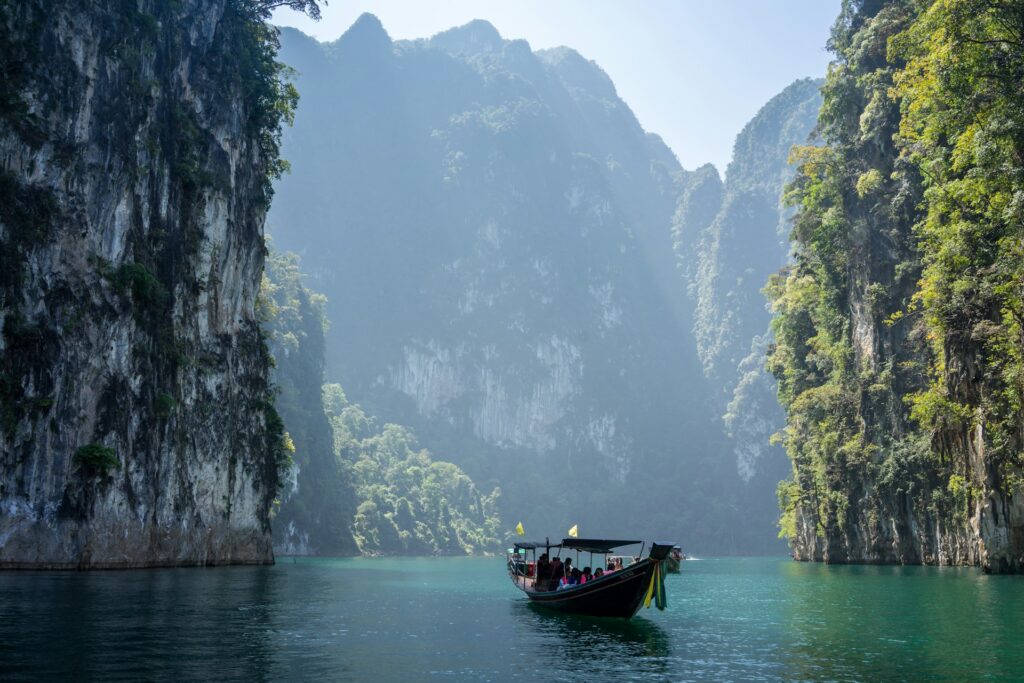
Bangkok
Bangkok is loud, fast-paced, uncomfortably humid, and overflowing with an infectious, chaotic energy that you simply have to embrace. As the primary gateway to Southeast Asia, it delivers an intense, unfiltered city experience where glittering, gold-leafed temples share the skyline with massive, futuristic shopping malls. To survive the notorious gridlock traffic, you must completely avoid taking taxis or tuk-tuks during rush hour. Instead, rely heavily on the BTS Skytrain and the underground MRT systems, which are cheap, heavily air-conditioned, and efficiently connect almost all the major tourist and shopping districts. If you do need a car, download the Grab app to book rides with fixed prices, completely eliminating the stress of haggling with local drivers on the street.
When planning your daily itinerary in the capital, timing is absolutely everything to avoid the brutal midday heat and the massive tour groups. Visit the heavy-hitting historical sites like the Grand Palace or Wat Pho right when the gates open at eight in the morning. By mid-afternoon, escape to one of the massive indoor malls like Iconsiam or Terminal 21 to cool down. Bangkok truly comes alive after the sun goes down, completely transforming its atmosphere. Spend your evenings exploring the massive open-air night markets like Jodd Fairs, or head to the incredibly vibrant Chinatown (Yaowarat Road) to eat some of the best, most authentic Michelin-recognized street food in the entire world, served right on the crowded sidewalks.
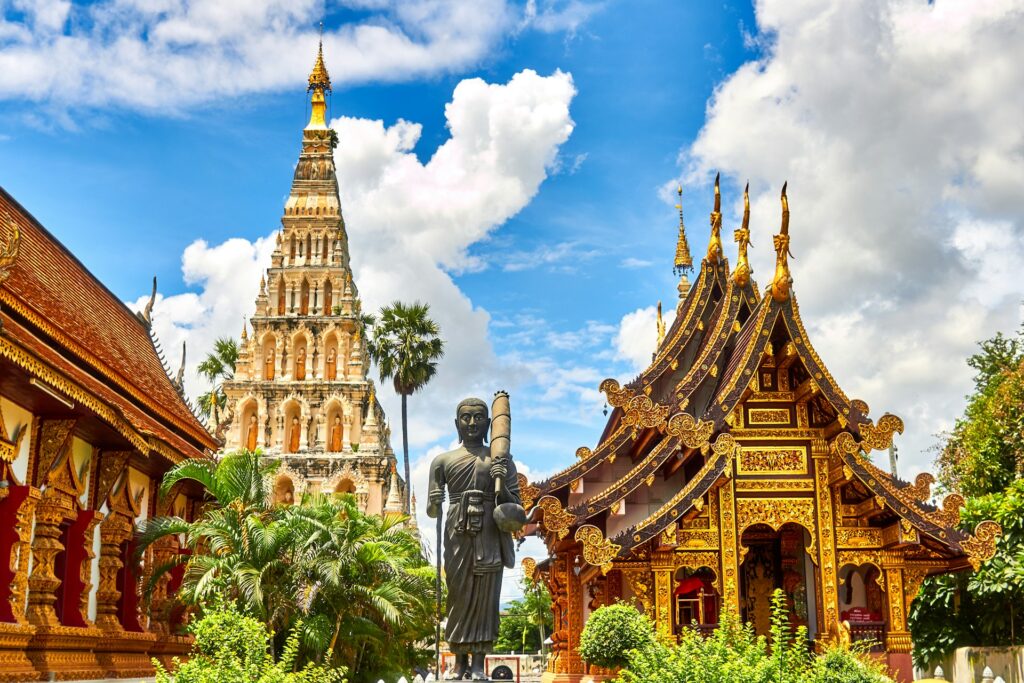
Phuket
As the largest island in Thailand, Phuket is undeniably one of the most visited beach destinations on the planet. It boasts a highly developed tourism industry, offering everything from ultra-luxurious, five-star cliffside resorts to incredibly cheap, bustling backpacker hostels. However, because the island is so massive, having a completely different vibe depending on where you stay, choosing the right neighborhood is the single most important decision of your trip. If you are looking for intense nightlife, massive beach clubs, and streets packed with tourists, the neon-lit Patong Beach and the famous Bangla Road are where you want to be. It is loud, unapologetic, and completely geared toward late-night partying.
If the intense chaos of Patong sounds like your absolute nightmare, head further south down the coastline. Areas like Kata, Karon, or the beautiful Nai Harn beach offer a significantly calmer, much more family-friendly environment with crystal-clear water and quiet seafood restaurants right on the sand. Getting around Phuket can be surprisingly expensive, as the local “tuk-tuk” taxis operate like a mafia and charge high flat rates even for very short distances. If you are an experienced driver, renting a scooter is the best way to explore the island’s hidden viewpoints and giant Buddha statues, but always wear a helmet and carry an international driving permit. Alternatively, look into the Phuket Smart Bus, which runs efficiently along the western coast for a fraction of the cost of a taxi.
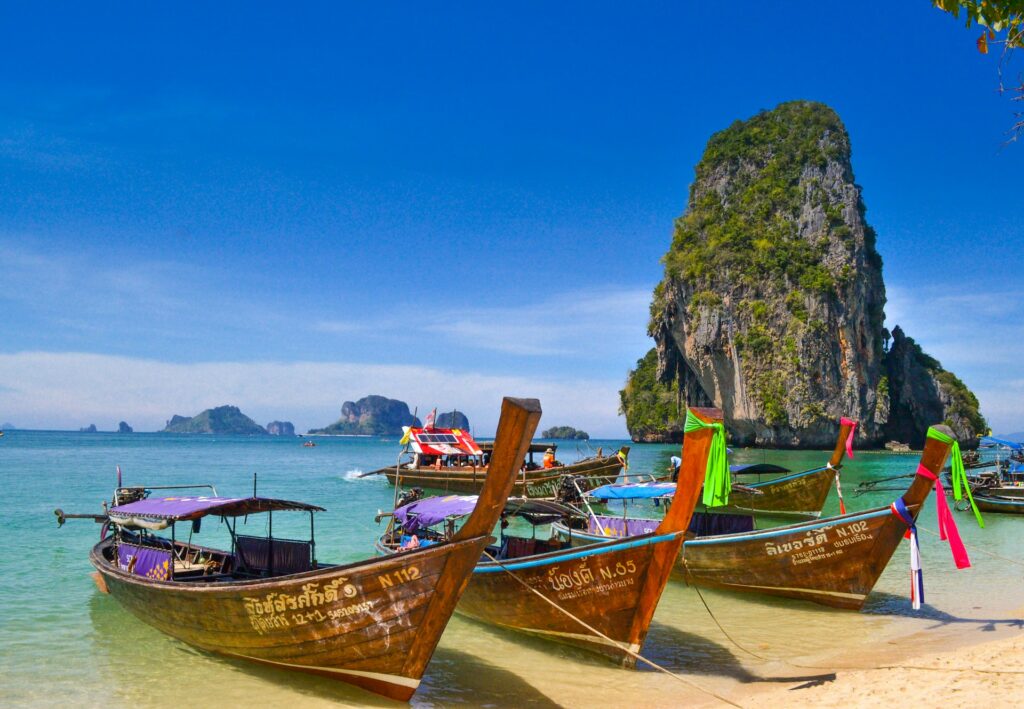
Krabi
If you have ever seen a travel brochure featuring towering, jagged limestone cliffs dropping dramatically into bright emerald water, you were likely looking at Krabi. Located on the southern mainland, Krabi is world-renowned for its raw, jaw-dropping natural beauty and a much more relaxed, laid-back environment compared to the hyper-commercialized atmosphere of Phuket. The best logistical home base for visitors is the bustling coastal town of Ao Nang. While the main beach at Ao Nang is relatively average for swimming, the town serves as the perfect, highly connected jumping-off point for exploring the surrounding islands and hidden bays via traditional wooden longtail boats.
The absolute crown jewel of the Krabi province is Railay Beach. Even though it is technically attached to the mainland, Railay is completely cut off by massive, impassable jungle cliffs, meaning it can only be accessed by a short, fifteen-minute boat ride from Ao Nang. It features arguably the most beautiful beaches in the entire country, completely free of cars and roads, making it a paradise for rock climbers and beachgoers alike. While staying in Krabi, you should absolutely book the famous “Four Island Tour,” which takes you snorkeling through stunning coral reefs and walking across sandbars that emerge from the ocean at low tide. Just be sure to negotiate private longtail boat hires early in the morning to beat the massive crowds of organized tour groups.
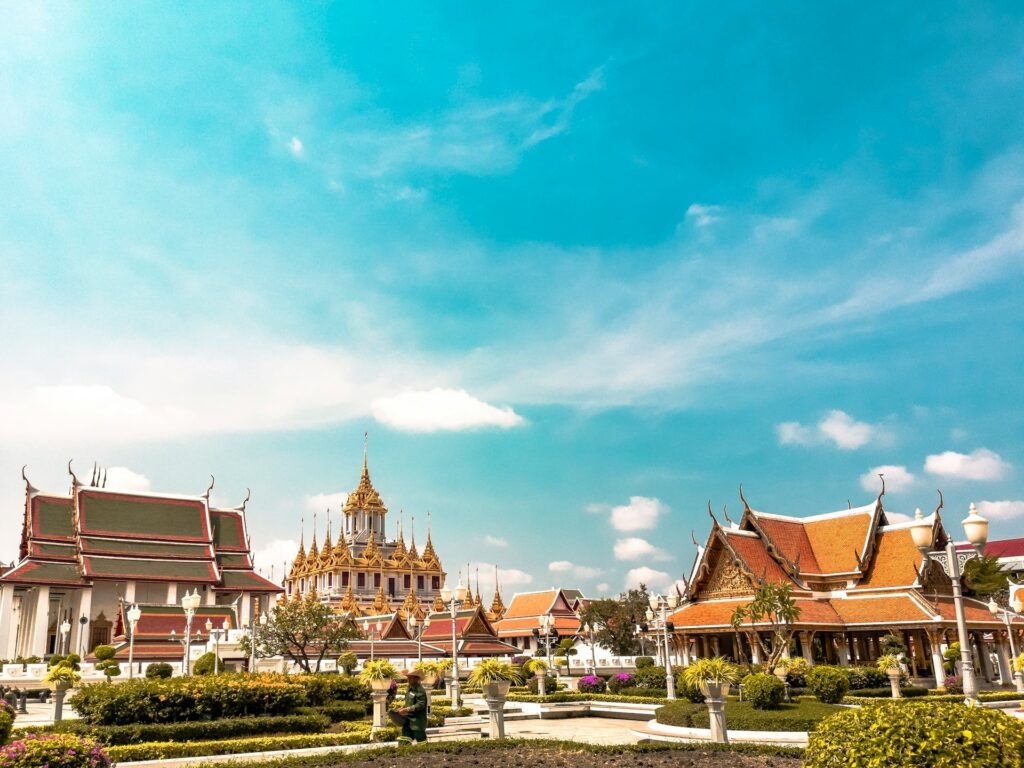
Chiang Mai
Leaving the southern beaches behind, a short flight north brings you to Chiang Mai, the undisputed cultural and historical capital of northern Thailand. Nestled in a lush, mountainous valley, the city operates at a remarkably slower, much quieter pace compared to the frantic energy of Bangkok. The heart of Chiang Mai is its ancient “Old City,” a perfect square surrounded by the crumbling remains of a medieval brick wall and a tranquil, tree-lined moat. Inside this walkable square, you will find hundreds of stunning, centuries-old Buddhist temples, making it an incredible place to simply rent a bicycle and explore the rich, deeply preserved Lanna culture at your own leisurely speed.
Beyond the temples, Chiang Mai is globally famous for two major things: its incredible night markets and its ethical elephant sanctuaries. If you visit over the weekend, the Sunday Night Walking Street is an absolute must-do, transforming the main roads of the old city into a massive, vibrant market selling beautiful handmade crafts and incredible northern dishes like Khao Soi curry. When booking a day trip into the surrounding mountains to see the elephants, thorough research is absolutely mandatory. Ensure you choose a strictly ethical, hands-off sanctuary like the Elephant Nature Park, where riding the animals is strictly forbidden, allowing you to observe these gentle giants happily bathing and eating in a completely natural, protected environment.
Phi Phi Islands
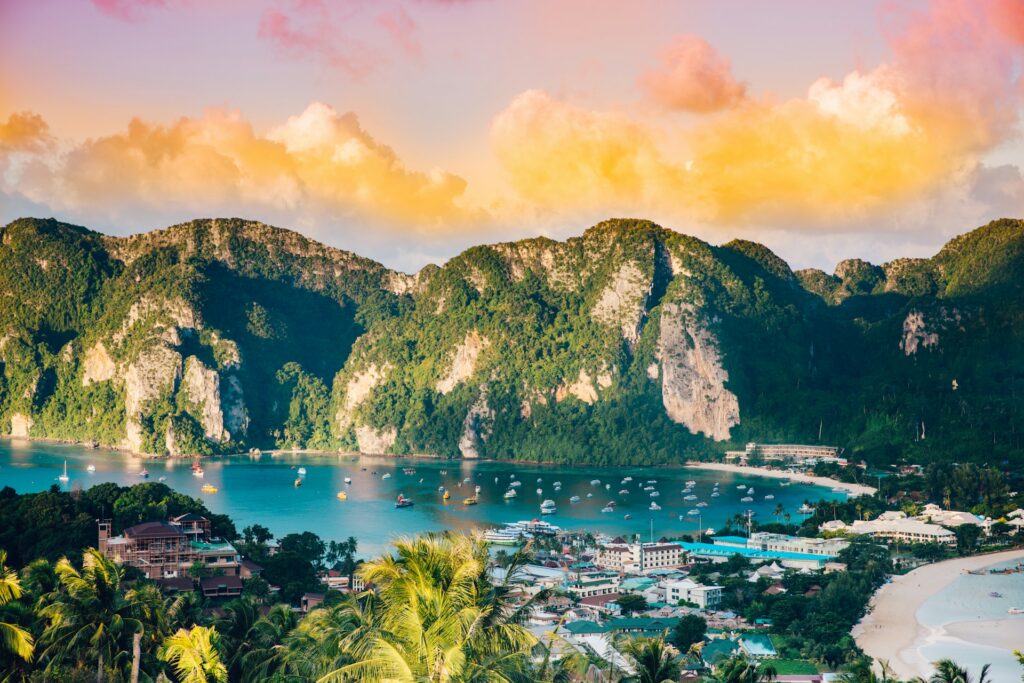
The Phi Phi Islands are universally known for their impossibly clear turquoise water, vibrant marine life, and dramatically scenic viewpoints. However, their massive popularity means you need a strategic approach to actually enjoy them. Most tourists visit Phi Phi on a rushed day trip via speedboat from Phuket or Krabi. This means from late morning until mid-afternoon, the tiny islands are completely overwhelmed by thousands of day-trippers. To truly experience the magic of Phi Phi, you should absolutely book a hotel on the main island, Koh Phi Phi Don, and stay for a few nights. Because the entire island is car-free, you explore everything by walking along the sandy pathways or hiring private longtail boats from the local fishermen.
By staying overnight, you unlock the ability to hire a boat driver to take you to the famous Maya Bay and Pi Leh Lagoon right at sunrise, hours before the massive tour fleets arrive from the mainland. Having these stunning, towering limestone lagoons completely to yourself in the early morning light is an unforgettable experience. Be aware that Koh Phi Phi Don has a split personality; the central Tonsai Village area is famous for intense beach parties and late-night fire shows, which is great if you want to socialize. If you want a peaceful sleep, ensure you book accommodation on the quieter eastern beaches, like Long Beach, which offer stunning views and completely silent nights.
Final Thoughts
Thailand works so incredibly well as a travel destination because it is ultimately highly flexible and remarkably forgiving. You can easily plan a rugged, bare-bones backpacking trip living on three-dollar noodles, or a honeymoon featuring private infinity pools, all without much logistical difficulty. Transport is incredibly easy to book using online platforms like 12GoAsia, phenomenal food is widely available on every street corner, and the local “sabai sabai” (take it easy) culture ensures most places are warmly tourist-friendly. The absolute key to a successful Thai vacation is to choose a few locations based heavily on your personal travel style, whether that means chasing waterfalls in the northern mountains or drinking out of coconuts on the southern shores. Avoid the temptation to cover everything in one trip, pack incredibly light, and simply let the relaxed rhythm of the country guide your adventure.
Leave a Reply